Welham Jones
https://welhamjones.co.uk/wp-content/themes/welham-jones/img/logos/supersonic-playground-logo.png
300
80
Welham Jones
What happens if I choose to be buried?
If you choose burial, the body is placed in the ground, usually in a coffin, during a funeral service that concludes at a graveside.
Burial, also known as interment or inhumation, is one of the oldest funeral traditions. It involves placing the deceased into a grave, sometimes with personal items, and marking the resting place with a headstone or memorial. Across West Kent and South East London, many families still find comfort in the familiarity and permanence of burial.
The traditional burial process
On the day of the funeral, mourners gather at a church, chapel or cemetery. The coffin is carried into the venue by pallbearers and placed at the front while the service takes place. After prayers, readings or tributes, the funeral cortege proceeds to the burial ground.
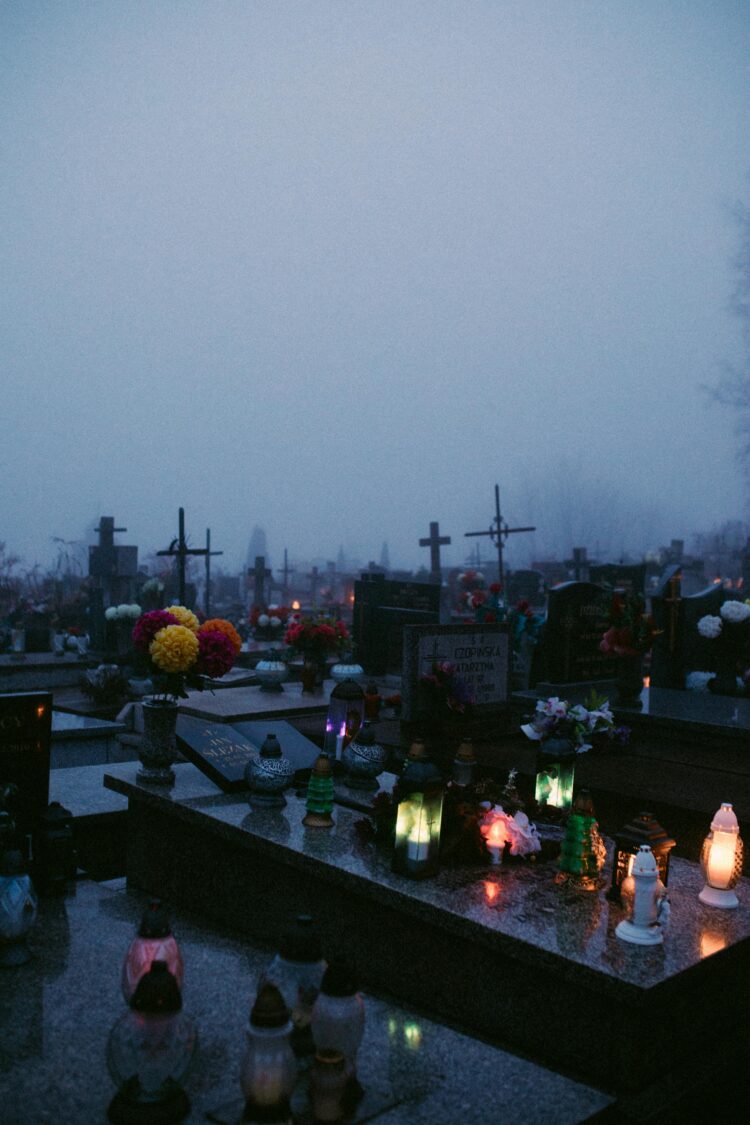
At the graveside, the coffin is lowered into the grave. It is common for family and friends to place flowers or scatter soil as a final act of farewell. The grave is usually filled once mourners have departed.
Burials may include:
- A traditional coffin or eco-friendly option
You can learn more about choices for coffins and caskets on our website.
What happens if I choose to be cremated?
If you choose cremation, the funeral service usually takes place at a crematorium chapel, after which the coffin is cremated and the ashes are returned to the family or scattered.
On the day of the funeral, mourners gather at the crematorium. The coffin is carried into the chapel and placed on a catafalque. During the committal, the coffin may be screened from view or gently withdrawn.
After the service, the coffin is taken into the crematory area. Crematorium staff carefully check identification details before the cremation takes place. The ashes, known formally as cremated remains, are then prepared for collection.
Families can choose to:
- Scatter ashes in a garden of remembrance
- Keep them in an urn at home
- Scatter them in a meaningful place, with permission
Your funeral director will guide you through these decisions during the funeral arrangements.
What are the benefits of burial?
The benefits of burial include tradition, a permanent place of remembrance and broad religious acceptance.
Many families choose burial because:
- It provides a dedicated graveside to visit
- It aligns with religious customs
- It avoids the emissions associated with cremation
- It offers the option of natural or woodland burial
Natural or woodland burials use biodegradable coffins and avoid embalming, creating habitats for wildlife. There are now over 270 natural burial grounds in the UK. However, cost is also an important factor, and burials do tend to be more expensive due to cemetery fees and the purchase of a grave plot.
What are the benefits of cremation?
The benefits of cremation include lower average costs, flexibility and reduced land use.
Cremation is often chosen because:
- It is typically less expensive than burial
- Ashes can be scattered or kept in a meaningful place
- It allows families to hold a memorial at a later date
- It does not require cemetery land space
For families who may relocate in future, cremation offers greater flexibility, as ashes can be moved if needed (as long as they haven’t already been buried or scattered). However, the common argument against cremation is that it can cause damage to the environment, with each cremation reportedly producing around 400kg of CO2 into the atmosphere (about as much as a 500-mile car ride), and cremations collectively producing about 16% of the UK’s Mercury emmisions, produced by cremated tooth fillings.
What factors should I consider when deciding whether to be buried or cremated?
You should consider cost, religion, environmental impact and personal wishes when deciding between burial and cremation.
Ask yourself:
- Did your loved one express a clear preference?
- Are there religious beliefs to respect?
- What is your available budget?
- Is having a permanent grave important to you?
- Are environmental concerns a priority?
Crematoria must comply with the Environmental Protection Act 1990 which aims to regulate emissions. However, this is still imperfects, so greener options have beed developed and are increasingly available.
Are there any alternatives to traditional burials or cremations?
Yes, alternatives include direct burials, direct cremations and emerging methods such as alkaline hydrolysis.
- Direct cremation: A direct cremation is a cremation without a funeral service, attended by no mourners. It is usually the most affordable option and allows families to arrange a separate memorial when they feel ready.
- Direct burial: A direct burial is burial without a ceremony, taking place shortly after death. It is a simple, dignified and cost-effective choice, with the option to hold a memorial later.
- Alkaline hydrolysis: Alkaline hydrolysis, also known as water cremation or resomation, uses a heated water-based solution to reduce the body to bone remains. According to a public consultation by the Scottish Government, 84% of respondents supported introducing alkaline hydrolysis as an alternative to burial and cremation, so it may become more common in the future.
While not yet widely available across England, it represents a developing option focused on environmental impact.
What experience does Welham Jones Funeral Directors have in helping families and individuals choose between burial and cremation?
Welham Jones Funeral Directors have over 30 years’ experience helping families across Borough Green, Orpington and Chelsfield, Chislehurst and Bromley, Sevenoaks, Swanley, Tonbridge and Tunbridge Wells choose the right type of funeral.
Whether you are searching for a Funeral director Borough Green or a Funeral director Tunbridge Wells, our family-led team provides clear, compassionate guidance. We offer transparent funeral packages, personalised funeral planning and advice on pre-paid funeral plans.
As independent funeral directors deeply rooted in the local community, we work closely with clergy, celebrants and care providers to ensure every funeral reflects personal wishes and respects family budgets.
There is no universal answer to whether burial or cremation is better; the right choice is the one that reflects your values, your loved one’s wishes and your family’s circumstances.
If you’re looking for support planning a funeral, please contact us