Welham Jones
https://welhamjones.co.uk/wp-content/themes/welham-jones/img/logos/supersonic-playground-logo.png
300
80
Welham Jones
What is a celebrant?
As religious funerals have declined in popularity across Kent and South London, more families are turning to celebrants to lead funeral services. A celebrant is someone who conducts ceremonies – such as funerals, weddings and naming ceremonies – that are tailored to the beliefs, values and wishes of the individuals involved.
Anyone can technically become a celebrant, and there is no legal requirement for formal qualifications. However, many celebrants choose to undertake training through recognised organisations such as the Humanists UK or the Institute of Civil Funerals. These bodies offer guidance, standards and support to ensure celebrants deliver meaningful and respectful services.
What is the role of a celebrant within a funeral?
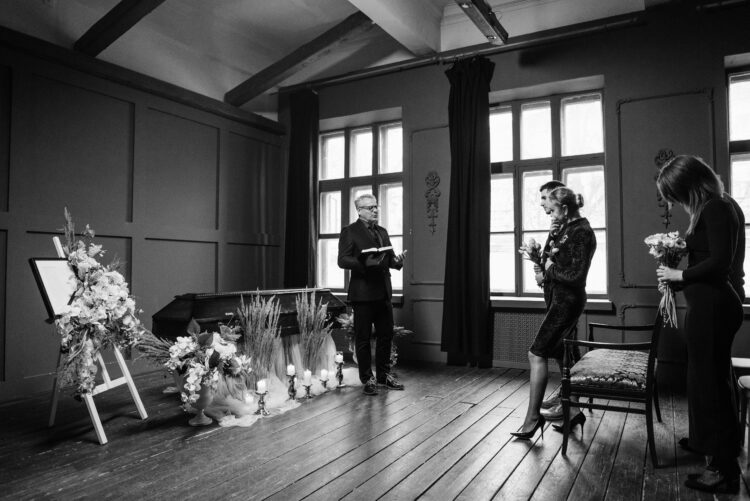
A celebrant’s primary role is to create and lead a personalised funeral ceremony. This includes meeting with the family to learn about the deceased, crafting a bespoke script that reflects their life and values, and coordinating the order of service. Celebrants often work closely with funeral directors to ensure the ceremony runs smoothly and respectfully.
A celebrant may include readings, music, tributes and moments of reflection, and can accommodate religious, spiritual, or entirely secular elements depending on the family’s wishes. Their aim is to honour the life of the person who has died in a way that feels authentic and comforting to those attending.
What can’t a celebrant do with regard to funerals?
While celebrants can lead most aspects of a funeral service, there are some legal limitations. Celebrants cannot perform religious rites unless they are also ordained ministers. They also cannot carry out legal registrations of death or burial – these must be handled by the appropriate authorities.
Additionally, celebrants do not have the authority to conduct services in certain religious venues unless permitted by the institution. Their role is focused on the ceremonial aspects, not the legal or religious formalities.
What are the pros and cons of having a celebrant conduct a funeral?
When considering whether a celebrant would be the right person to lead the funeral you’re planning, you may like to weigh up the pros and cons of celebrants.
Pros:
- Highly personalised ceremonies
- Flexibility to include spiritual, secular or mixed elements
- Supportive and empathetic guidance through planning
Cons:
- May lack the gravitas or tradition some families seek in religious services
- Quality and experience can vary, especially among untrained celebrants
Can I name the celebrant that I want to conduct my own funeral?
If you have a pre-paid funeral plan, you can specify your preferred celebrant. This can be done through your funeral director or in your written wishes. Naming a celebrant in advance ensures your ceremony reflects your values and personality, and gives your loved ones peace of mind knowing your preferences are respected.
The celebrant’s fees are not normally included in pre-paid funeral plans, as they are third-party costs, therefore you may like to settle these in advance separately if you want to ensure that all the costs have been covered.
How do you choose a celebrant?
Choosing the right celebrant is a deeply personal decision. Start by asking your funeral director for recommendations. As funeral directors with more than 30 years’ experience serving the communities of Kent and South London, at Welham Jones we see all manner of funerals and will be able to advise you who might be a suitable fit for your family, and who to avoid! Friends and family who have organised funerals may also offer valuable insights.
With many funerals now livestreamed or recorded, you can request to view past ceremonies (with the family’s permission) to get a sense of the celebrant’s style. Most importantly, meet them face to face. This helps you gauge whether they are someone you feel comfortable working with and whether they can truly capture the spirit of your loved one.
A celebrant can help create a funeral that is as unique and meaningful as the life it commemorates. At Welham Jones, we are delighted to recommend trusted celebrants in Tunbridge Wells, Tonbridge, Sevenoaks, Orpington, Chelsfield, Borough Green, Bromley, Chislehurst and Swanley whom we have worked with in the past to help you create a fitting tribute to your loved one.
If you’re looking for support planning a funeral, please contact us