
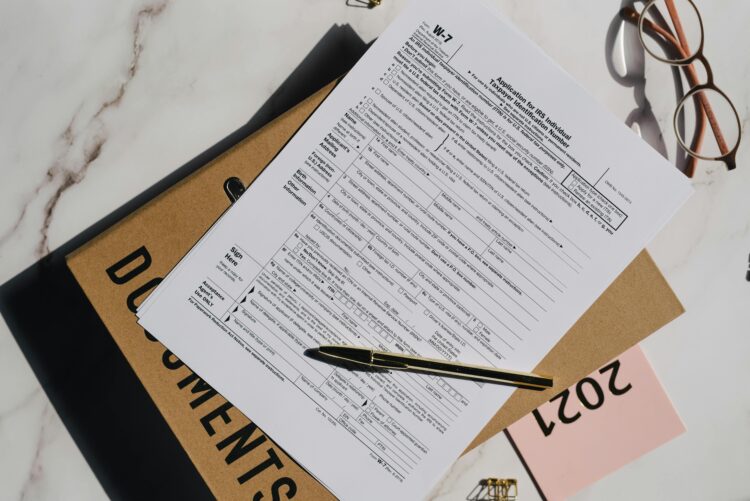
Registering a death is one of the first legal steps that must be taken after someone passes away — but it can be difficult to know when, how, and where to do it. As experienced funeral directors serving West Kent and Southeast London, Welham Jones Funeral Directors are here to help guide you through what can feel like an overwhelming process at a very emotional time.
In the UK, registering a death is a legal requirement under the Births and Deaths Registration Act 1953. Without a registered death certificate, you won’t be able to arrange a funeral, close bank accounts, or begin any official estate matters.
By law, a death must usually be registered within five days in England, Wales and Northern Ireland (or eight days in Scotland). This includes weekends and public holidays, so it’s best to make an appointment with the local registrar as soon as the Medical Certificate of Cause of Death (MCCD) has been issued. There is a still complication here: currently the medical examiner is delayed – it can take up to 10 working days for them to contact the family to issue the MCCD. However, you will not be penalised if a delay on the part of the medical examiner makes it impossible for you to register the death within five days.
However, some delays can occur naturally — for example, if the coroner is involved or if there are delays in obtaining the MCCD. In such cases, the registrar will explain any extensions to the five-day rule, so families are not penalised for unavoidable delays.
For most families, registering promptly helps everything else — including funeral arrangements — to move forward more smoothly.
The person responsible for registering the death is usually a close relative. However, several others may also legally do so if necessary. You can register a death if:
The BBC has previously highlighted that delays in registering deaths can cause significant hold-ups to funeral arrangements, so it’s helpful to know who can step in when needed.
You’ll need to provide the registrar with certain details about the person who has died, including:
It’s helpful, though not essential, to bring identification documents such as:
Most importantly, the registrar must receive the Medical Certificate of Cause of Death (MCCD) from the doctor or hospital before the appointment. Since 2023, this certificate is sent directly by the medical examiner, so families don’t usually need to collect it themselves.
A death should be registered with the Registrar of Births, Deaths and Marriages in the area where the person passed away. You can find your nearest office using the official UK government directory of register offices.
If it’s difficult to travel to the relevant district, you can make a declaration at another office — but this may cause a short delay while the paperwork is transferred.
For Welham Jones families:
If you’re unsure which local authority applies, your funeral director can guide you to the right place.
Understanding when and how to register a death can help ease the burden at one of life’s most difficult moments — and your local funeral director can support you every step of the way.

We are thrilled to announce that Simon Welham, Managing Director and co-founder of Welham Jones Funeral Directors, has been named Businessperson of the Year 2026 at the Tonbridge Business Awards.

In the past, planning a respectful outfit for a funeral was simple enough: all black. But as a funeral directors with over 30 years’ experience in the industry, we have witnessed the changing funeral attire firsthand. Here’s what to wear to a funeral in 2026…
We're here to help

We’re here to help with care and compassion. If we can be of assistance please contact us for support or guidance using the following form.