1. Welcome and Opening
An officiant, such as vicars, priests, or non-religious funeral celebrants, welcomes guests, acknowledges the reason for gathering, and sets a supportive, reflective atmosphere.
2. Music and Hymns
Music plays a crucial role in modern funeral services, with family members selecting popular ballads or personal favourites of the deceased. Services usually feature:
An entry song played as mourners take their seats.
One or two reflection songs or congregational hymns.
An exit song as attendees depart.
3. Eulogy and Tributes
The eulogy is the focal point of the service. Delivered by a family member, close friend, or the celebrant, it details the deceased’s life history, achievements, sense of humour, and personal impact.
“A common concern families share at our Funeral director Borough Green and Funeral director Swanley branches is whether they will be able to speak without becoming overwhelmed,” says Rebecca Welham of Welham Jones. “We always remind families that celebrants are happy to step in if needed, taking the pressure off loved ones.”
4. Readings and Prayers
Depending on whether the service is religious or secular, attendees may hear passages from holy scriptures, favourite poems, or literary extracts that held personal meaning.
5. The Committal
The committal marks the physical farewell, and must be conducted according to official regulations, health guidelines:
- Cremation: The officiant speaks words of committal while a curtain closes gently around the coffin, or the catafalque lowers.
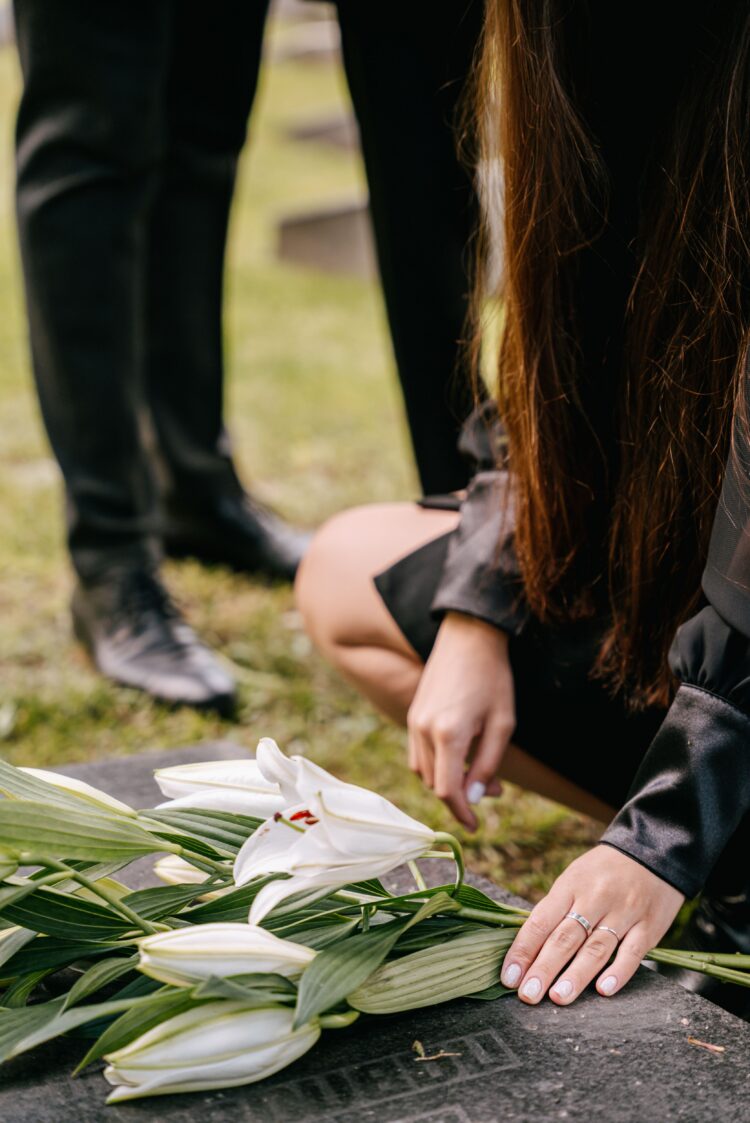
- Burial: Mourners transition to the graveside at a local cemetery or churchyard. The coffin is lowered into the grave, and guests may sprinkle earth or flowers onto the casket.
If international transit was necessary prior to the service, our dedicated specialists handle the entire process of repatriation of the deceased seamlessly before the committal takes place.
What happens after the funeral service?
After the funeral service concludes, attendees gather at a separate venue for a reception or wake to share food, drink, and informal memories in a relaxed setting.
The wake allows mourners to transition from the solemn atmosphere of the ceremony into a comforting social environment. Guests exit the chapel or church, extend personal condolences to the immediate family and make their way to the location of the wake
- Locations: Wakes are commonly hosted at local pubs, sports clubs, hotels, community halls, or private homes.
- Hospitality: Light refreshments, teas, coffees, or buffet catering are served.
- Remembrance: Families often display memory boards, photo slideshows, guestbooks, or an display of urns, or item of remembrance.
Our branch teams maintain close links with local care homes and home care companies across Tonbridge, Sevenoaks, and Bromley, often coordinating transport arrangements so elderly friends can attend the reception comfortably.
How long does a funeral service last?
A standard funeral service lasts between 30 and 45 minutes, though crematorium timeslots are strictly managed whereas church services offer greater flexibility.