Welham Jones
https://welhamjones.co.uk/wp-content/themes/welham-jones/img/logos/supersonic-playground-logo.png
300
80
Welham Jones
One of the options you will be asked to consider when planning a funeral is whether you would like your loved one to be embalmed. If you’re planning your own funeral, you will be asked to consider whether you would like your body to be embalmed when the time comes. But what exactly is embalming? What does it involve? And is it always necessary?
Vladimir Lenin has famously been lying in state for over 100 years. Queen Elizabeth II lay in state for a more modest four days but attracted queues stretching 10 miles. Eva Peron’s embalmed body was stolen and hidden for 16 years. We’ve all heard the extravagant and sometimes salacious stories surrounding the embalming of the rich, famous and powerful. But what about those of us planning a regular funeral, whether that’s for a loved one or if we’re taking out a pre-paid funeral plan for ourselves.
What is embalming?
If you’ve never arranged a funeral before, embalming can sound mysterious. At its heart, embalming is a temporary preservation technique designed to slow natural changes after death. Historically, it meant spices, oils and elaborate rituals; today it involves replacing natural body fluids with a specialist solution, most commonly a low-concentration formaldehyde mixture.
In modern funerals across Borough Green, Orpington and Chelsfield, Chislehurst and Bromley, Sevenoaks, Swanley, Tonbridge and Tunbridge Wells, the main purpose of embalming is usually presentation. Families who wish to spend time with their loved one in the Chapel of Rest may find that embalming softens the visual changes that naturally occur, helping the person look peaceful and familiar.
It is not a permanent preservation technique, and it isn’t legally required for funerals in the UK, but your funeral director should always explain it clearly so you can make an informed choice as to whether you want it or not
What is the history of embalming?
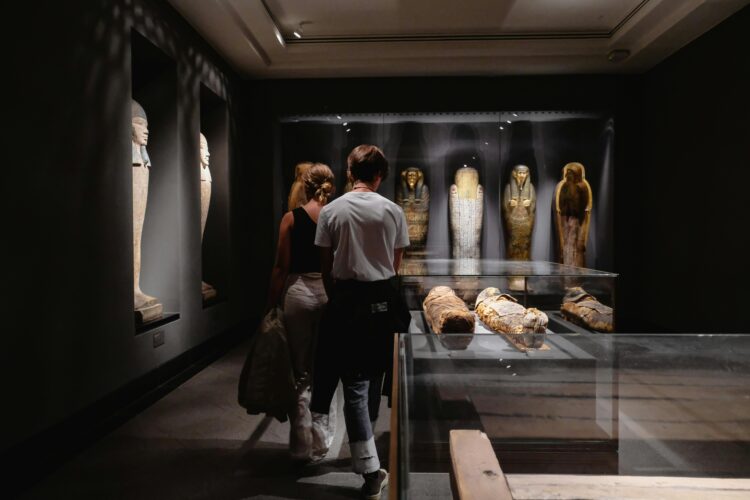
Embalming has a long and complex history. Ancient Egyptian mummification is the story most people recognise, but these intricate processes fell out of use thousands of years ago. Modern embalming developed much later.
The discovery of formaldehyde in 1855 by chemist Alexander Butlerov transformed preservation, replacing earlier solutions that often included arsenic, which carried environmental and legal concerns. By the 19th century, embalming became increasingly popular due to changing social expectations. Rail travel made it possible for people to be buried far from where they died, and families wanted more time to gather and pay their respects.
During the American Civil War, embalming was used to transport fallen soldiers home across long distances. In the UK, well-known figures such as Lord Nelson were famously preserved, demonstrating the effectiveness of these methods for state funerals.
Today, embalming remains common in many urban funeral homes but less so in rural areas. Independent funeral directors, including family-run teams like ours at Welham Jones, take care to discuss whether it is necessary for your loved one.
What does modern embalming involve?
Modern embalming is a clinical, carefully regulated process. Qualified embalmers, often trained through bodies like the British Institute of Embalmers, use a combination of science and artistry to sanitise, preserve and present the person in a natural way.
A typical embalming might include:
- Initial preparation: washing the person, gently positioning features and preparing a resting expression.
- Arterial embalming: replacing natural fluids with embalming solution by carefully injecting through a main artery.
- Cavity treatment: removing residual fluid from internal organs using a specialised instrument called a trocar, then introducing a stronger preservative solution.
- Presentation: washing hair, moisturising skin, applying cosmetics and ensuring clothing sits naturally.
It is an invasive process and usually takes at least an hour. Some funeral directors include it within their standard pricing; others list it as an additional service. The British Institute of Embalmers’ Code of Ethics states that written consent should be obtained before embalming takes place.
At Welham Jones, our funeral directors in Borough Green, Orpington and Chelsfield, Chislehurst and Bromley, Sevenoaks, Swanley, Tonbridge and Tunbridge Wells will always discuss costs and expectations before proceeding.
Is embalming always necessary?
In most cases, embalming is optional as it is not required for funerals taking place in the UK unless the deceased is being repatriated overseas. Many natural burial grounds also prohibit chemicals entirely.
You may wish to consider embalming if:
- You want to view your loved one, especially if several days have passed since the death. This is a particularly important element of funerals for certain Christian, eastern European and African cultures, and you should be able to talk to your funeral director about these options.
- The person underwent significant medical treatment, which can sometimes affect natural changes after death.
- You are planning a funeral with a longer timescale.
However, if you do not plan to visit the Chapel of Rest, or if the funeral will take place quickly, embalming may offer little benefit. Refrigeration alone is often sufficient.
If you feel unsure, a good funeral director will help you weigh up your options gently. At Welham Jones, our independent, family-run ethos means we never carry out embalming unless it is appropriate, achievable and fully explained. And if you are choosing a green or woodland burial, we will guide you through alternatives that comply with their regulations.
We can also talk you through related choices, such as selecting a coffin or casket, arranging funeral packages, or exploring pre-paid funeral plans if you are planning ahead.
Embalming is a personal choice, not a requirement, and a good funeral director will help you decide whether it will genuinely support your family’s needs.
If you’re looking for support planning a funeral, please contact us